
Roof Cleaning in Ontario: What Causes Black Streaks and How Soft Washing Fixes It
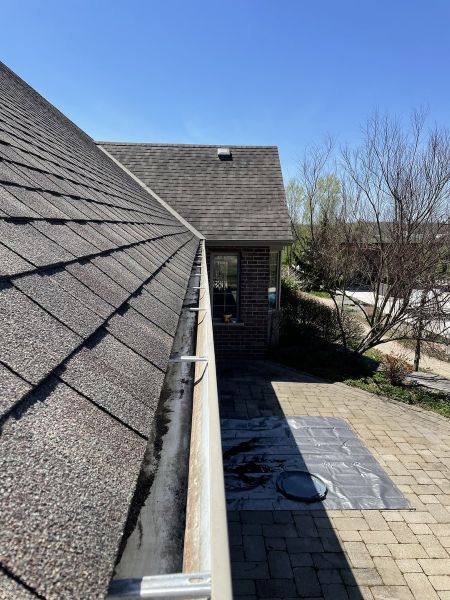
Those dark streaks on roofs you see across many Ontario neighborhoods are more than just dirt. They are living algae that spread with moisture, shade, and our humid summers. Left alone, the stains hold moisture against your shingles and drag down curb appeal. The safest way to restore your roof is not high pressure. It is soft washing performed by trained pressure washing pros. If you want a deeper look at how this works, explore our professional roof cleaning service page for details on materials we treat and what to expect.
At Ri's Rinse, we help homeowners understand what is growing on their shingles and why low-pressure cleaning helps preserve the safety of asphalt shingles. When you are ready to talk through your roof’s condition, call 226-208-1927 and a friendly specialist will help you plan the right approach for your home.
What Are The Black Streaks On Your Roof?
The black streaks are most often a blue-green algae called Gloeocapsa magma. As it ages, it produces a dark, protective sheath that looks like soot or dirt. Wind, birds, and rain spread it from roof to roof. Granules on asphalt shingles can trap organic particles and moisture, which creates a comfortable place for algae to grow.
These streaks usually start on the north and east sides where sunlight is weaker. You might also notice more growth below tall maples, spruces, or in areas shaded by a second story. Those long, streaky bands are almost always algae, not just grime or wear. They can make a 10-year-old roof look like it needs replacing even when the shingles are structurally sound.
Why Ontario Weather Makes Algae Grow Faster
Ontario’s climate gives algae what it loves most: moisture and time. Spring rains, lake-effect humidity near Lake Ontario and Lake Erie, and warm summers encourage rapid spread. In fall, leaves collect on low-slope areas and hold moisture. Winter then locks that moisture in place with snow cover. The cycle repeats each year.
- Humid summers and shaded lots keep shingles damp longer after rain.
- Cooler north-facing slopes dry slowly, which helps algae settle and multiply.
- Leaf litter and needles trap moisture along valleys, dormers, and behind chimneys.
- Older shingles with worn granules hold more organic particles that feed growth.
This mix explains why two homes on the same street can age very differently. A roof under full sun may stay clean for years, while a shaded one shows streaks within a season or two.
Why Soft Washing Is Safer Than High Pressure
High-pressure blasting is the wrong match for asphalt shingles. The force can strip protective granules, open the surface to UV damage, and push water under the tabs. Manufacturers and roofing pros favor soft washing because it uses a specialized cleaning solution and very low pressure to release stains without abrasion. High pressure on shingles can cause damage that looks like sandpaper scuffs and may shorten roof life.
Soft washing is a professional roof cleaning method that treats the root of the problem. The solution breaks down the algae’s protective layer so it rinses away at gentle pressure. That is why results last longer than water alone. For a clear picture of how the process fits your home’s material and slope, see our overview of soft washing for roof cleaning and how it protects delicate surfaces.
How Soft Washing Protects Asphalt Shingle Safety
Asphalt shingles are built with a top layer of mineral granules that shield the asphalt from sun and weather. The goal of any cleaning is to leave those granules in place. Soft washing does exactly that by reducing the need for scrubbing or force. Surfactants in the solution help the cleaner cling to the stains instead of running off the slope. Rinsing is calm and controlled so water does not get forced beneath the shingles.
Because the treatment targets algae cells instead of the shingle itself, there is no grinding or etching. That is the key difference between safe roof cleaning and methods that may look fast but harm the roof. Preserving granules and preventing under-shingle intrusion are the two most important safety goals during cleaning.
How Often Should You Schedule Roof Cleaning?
There is no one-size answer because each roof lives in a unique microclimate. A home under mature trees or near the lake may need more frequent care than a sunny lot. For most Ontario homeowners, a practical maintenance cadence is every two to three years. If your roof is heavily shaded or you notice streaks returning faster, annual inspection is wise. Timing can also shift with construction dust, wildfire smoke, or an especially wet summer.
- Every 2–3 years for typical sun exposure and average tree cover.
- Every 1–2 years for heavy shade, tall trees, or valleys that trap debris.
- After roofing work or storm repairs to remove residues and even out appearance.
Think of this like brushing your teeth. A quick, consistent routine prevents bigger problems. Skipping too long makes stains tougher to remove and can leave moisture sitting where you do not want it.
Signs It Is Time To Clean Your Roof
Look from the ground on a bright, dry day. You are not looking for raised shingles or flashing issues here. You are simply checking appearance and moisture patterns. If any of these match your roof, it is time to talk with a pro:
- Streaks that run down from the ridge or along shingle seams.
- Shady sides look much darker than the sunny sides.
- Green patches near gutters, valleys, or behind chimneys.
- Granules building up in gutters, which can coincide with algae growth.
Black streaks do not always mean you need a new roof. Many Ontario homeowners are surprised by how much life and color return after a careful soft wash.
What Homeowners Can Expect From A Professional Service
Reputable companies start with a visual assessment from the ground and, when safe and appropriate, a closer look to confirm the stain type. Landscaping, gutters, and fixtures are protected. A solution is applied at low pressure and allowed a dwell period to break down the stains. The finish is a gentle rinse and post-clean check to ensure even results. Any debris that collected during cleaning is removed from walkways and entry areas.
Every home is different. Pitch, age, and manufacturer matter. So do the nearby trees and roof design. That is why estimates vary by home size, materials, and season rather than a flat price sheet.
Local Factors Across Ontario Neighborhoods
Shaded lots in older neighborhoods with tall maples can show earlier streaking than newer subdivisions with young trees. Homes closer to the lakes often see longer morning dew, which feeds algae. In winter, snow tends to linger on the north sides of roofs and around dormers that block sunlight. All of this adds up to more moisture time on the shingles, which is exactly what algae like.
When you pair a thoughtful maintenance cadence with soft washing, the roof stays brighter for longer and sheds water as intended. That is good for curb appeal and for protecting the shingle surface from unnecessary wear.
Soft Washing, Curb Appeal, And Resale
Real estate agents across Ontario often recommend exterior cleaning before listing. A bright, uniform roof color helps photos pop and signals careful upkeep. Buyers notice dark streaks immediately, even if they do not know what causes them. Removing the stains levels the playing field so the rest of your home’s features stand out. It also sets a clean baseline for future care, which you can note in your listing remarks.
Myths About Black Streaks And Roof Care
Myth: “It is just dirt and will wash off with a good rain.” In reality, algae protect themselves with a dark film that rain alone does not remove. Myth: “Pressure washing faster is better.” High pressure risks granule loss and water intrusion. Myth: “Streaks mean the roof is worn out.” They mean it is time for cleaning, not necessarily replacement. A careful soft wash often reveals the shingle’s original tone.
If a roof shows missing tabs, severe curling, or widespread granule loss, that is a roofing issue first. Cleaning supports appearance and water shedding, but it cannot repair mechanical failures. A good provider will explain what cleaning can and cannot do so you can make a confident decision.
Why Work With A Trained Pressure Washing Team
A roof is a system. It includes shingles, flashing, vents, gutters, and the attic space below. A trained team understands how these parts interact during cleaning so water flows where it should and nowhere else. They also select the right application method for different materials like asphalt, metal, or tile. The result is a clean, even finish without harsh force.
Ri's Rinse follows a soft washing approach tailored to local weather patterns and the algae common to Ontario. We plan around wind, temperature, and sun so the treatment does its job and the rinse is controlled. You get a clean roof with less disruption to your day.
Care After Cleaning: Keep Stains From Coming Back Fast
After a professional cleaning, small choices help your roof stay cleaner for longer. Trim back overhanging limbs to let sunlight reach the shingles. Keep gutters clear so water does not overflow and streak the eaves. When leaves fall, have them removed from the roof and valleys before winter. These practical steps reduce moisture dwell time, which slows the return of algae.
If you want a simple plan, we can schedule reminders tied to your home’s shade and exposure. That way you do not need to track timelines yourself. It is one less task on your home care list and keeps your investment looking its best.
See The Difference For Yourself
The best proof is a roof that looks years younger the same day. Homeowners often tell us neighbors ask if they replaced their shingles. Soft washing restores color and definition along the tabs and ridge without scraping or abrasion. The entire home looks brighter because the roof frames everything else you see from the curb.
If you would like to learn more about the process, the safest place to start is our page that explains roof soft washing service in plain language and shows where it fits in a smart maintenance plan. For background on our company and other exterior cleaning solutions, you can also visit roof cleaning in Ontario to see how we support homeowners across the region.
Get A Clean, Streak-Free Roof In Ontario
You do not have to live with black streaks. A thoughtful, low-pressure approach solves the problem at the source and protects your shingles. If you are comparing options, our team is happy to explain how we assess your roof and what results you can expect based on shade, age, and material.
Call Ri's Rinse for roof cleaning in Ontario to remove black streaks safely and restore your curb appeal. When you are ready, a quick conversation helps us understand your goals and schedule a visit that works for you. Reach us at 226-208-1927, and we will take it from there.